By Kathryn Bender, Star-Bulletin
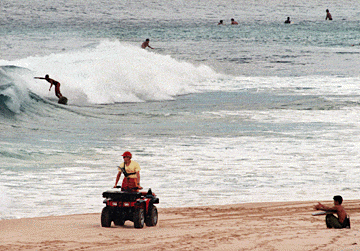
Lifeguards have increased patrols to keep people safer
in high surf. Lifeguard John Hoogsteden patrols the beach
on his all-terrain vehicle looking for swimmers, surfers
and bodyboarders in distress.
Lifeguards gear up
for waves of trouble
Dangerous winter surf
By Jaymes K. Song
has the number of rescues
on the increase
Star-BulletinWith big waves and inexperienced surfers crashing on the beaches of Oahu, lifeguard officials are preparing for the worst. The Department of Parks and Recreation increased from three to five the number of all-terrain vehicles, and from 13 to 18 the number of certified motorized water scooter operators in preparation for winter waves.
Lifeguards rescued dozens of swimmers, surfers and body boarders -- including 18 Tuesday -- in roaring swells that reached 15 feet on Oahu last week.
"This is just the beginning," said Jim Howe, chief of lifeguard operations. "More is put on our plate, and we just beefed up."
That statement is proving prophetic, with the National Weather Service issuing a high surf advisory today for north and west shores of all Hawaiian islands. Surf was expected to reach 10 to 15 feet this afternoon and into tomorrow, caused by a low-pressure system a few days ago that generated an open ocean swell.
Early morning surf at Oahu's north shore was reported at 4 to 6 feet, but with northwest swells predicted up to 15 feet later today, residents in that area were advised to take precautions.
The two new all-terrain vehicles were assigned to Waimea Bay and Makaha beach parks last week. Lt. Mark Cunningham, who trains lifeguards, said the vehicles increase distance lifeguards can patrol and let them respond quicker.
"Before we would be running, swimming and paddleboarding," Cunningham said. "We would be fools not to use the technology that is available."
Because of El Nino, Howe expects swells similar to the ones in 1983, which exceeded 20 feet.
Ocean Safety Division officials are also worried K2 Inc.'s Big Wave Challenge, which awards $50,000 to the surfer who rides the biggest wave, will influence inexperienced surfers to enter dangerous waters. "You prepare for the worst," Cunningham said.
"From the huge, big-wave riders looking for the prize money, to the recreational, weekend warriors -- accidents and fatalities happen to both (groups) and everyone in between."
Big surf safety tips
Swim at beaches with lifeguards.
Source: Honolulu Parks and Recreation Department's Ocean Safety Division