

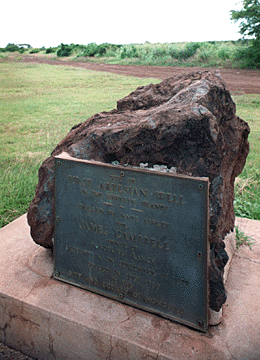
There's a rock beside Fort Weaver Road -- OK, that's not unusual, but this particular rock has a plaque attached to it -- that indicates that this particular site was where the first artesian well in the islands was dug, and credits James Campbell for the innovation. Rock marks
artesian spot - sort of
Weary, thirsty motorists can stop and stare at the plaque and marvel that at this spot exactly, the history of the Ewa plain changed. Newspapers interested in doing puff pieces on local captains of industry occasionally repeat this misinformation.
After all, it's sort of true. Kind of. Somewhat. Campbell didn't do the drilling himself, but he did bring in highly skilled wild-catters like James Ashley and James McCandless to drill. And it was his land, after all.
And it all depends how exact you want to be about the phrase "site." The rock and plaque have been moved at least a couple of times.
The problem was that the original-original site was in the middle of the old Fort Weaver Road, says Campbell Estate historian Wade McVay (who also admits to being "older than God"). Then a newer, straighter road was built nearby, and named Fort Weaver Road. The original Fort Weaver Road, and the plaque, were abandoned.
"Then some fellas pried the copper plaque off and melted it down for the recycling value," said McVay. That was the last straw. The Estate remade the plaque and moved the re-plaqued stone closer to the new highway.
So. It's not only not the original spot, it's not the original plaque either.
Burl Burlingame, Star-Bulletin